
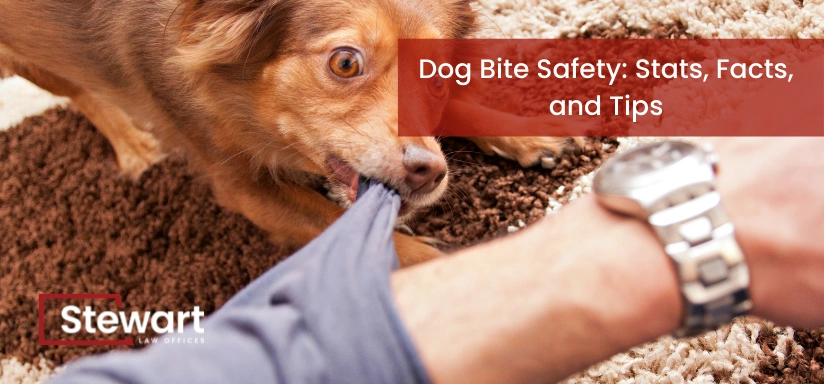
Dogs are a man’s best friend, so they say. While the majority of dogs are friendly and harmless, any canine – regardless of breed, size, age, or gender – is capable of biting if provoked. Read below to learn more about dog bites and what you can do to prevent them…
Understanding Dog Bite Laws in South Carolina and North Carolina
South Carolina and North Carolina have different legal standards for dog bite cases. Knowing which law applies is critical to understanding your rights.
South Carolina: Strict Liability State
Under S.C. Code § 47-3-110, dog owners are strictly liable for injuries caused when a dog bites or attacks someone who is in a public place or lawfully on private property. This means the owner can be held responsible even if the dog has never bitten anyone before and even if the owner had no reason to believe the dog was dangerous. However, South Carolina law provides two exceptions where the owner is not liable:
- The victim provoked or harassed the dog, and that provocation was the proximate cause of the attack.
- The dog was a certified law enforcement K-9 performing official duties under proper command and within policy guidelines.
North Carolina: One-Bite Rule with Exceptions
North Carolina generally follows the “one-bite rule,” which means a dog owner may not be liable for a dog’s first bite if the owner had no prior knowledge of the dog’s aggressive tendencies. However, strict liability applies when:
- The dog is classified as “dangerous” under N.C. Gen. Stat. § 67-4.1 (without provocation, it killed or inflicted severe injury, such as broken bones, disfiguring lacerations, or injuries requiring cosmetic surgery or hospitalization, on a person).
- The owner violated local animal control ordinances or leash laws.
- The owner knew or should have known about the dog’s dangerous propensities.
Both states require any dog that bites a person to be quarantined for 10 days to monitor for rabies, regardless of vaccination status.
Dog Bites Facts
Just how much of a problem are dog bites? Check out these facts and figures from the American Veterinary Medical Association:
- 36.5% of American homes have at least one dog.
- Approximately 4.5 million Americans are bitten by dogs each year.
- Almost one in five dog bites (800,000 per year) requires medical attention.
- Children are the most common victims of dog bites, accounting for nearly half of all incidents.
- Dog bite insurance claims cost approximately $1.12 billion annually in the United States.
- The average payment by insurers for dog bite claims is over $69,000.
Why Do Dogs Bite?
Dogs can bite for several reasons, including:
- Fear. It is important to be conscious of your actions and how they affect nearby dogs.
- Protection. They could see you as a threat to their owner, puppies, or even their favorite toy.
- Sickness. When dogs are sick or in pain, they may become overly aggressive.
- Redirected Aggression. Don’t put yourself in harm’s way by interacting with a pup who is already riled up. A classic example of this is attempting to break up a dogfight.
- Poor Training. It’s possible that a dog may simply bite because it is poorly trained.
- Territorial behavior. Dogs may bite to protect their perceived territory, including their home, yard, or car.
- Maternal instinct. Female dogs with puppies can become protective and aggressive.
- Startled reaction. Dogs suddenly awakened or surprised may bite instinctively.
How to Prevent Dog Bites
Nearly all dog bites are preventable. Here are a few safety tips to keep in mind the next time you are around a dog:
- Avoid aggressive games, such as tug of war.
- Keep your distance. Don’t immediately approach a dog you are not familiar with.
- Spay or neuter your dog. Fixed dogs are three times less likely to attack.
- Avoid making eye contact, which can make a dog feel intimidated and scared.
- Don’t disturb dogs that are eating, sleeping, nursing, or playing.
- Never approach a dog without the owner’s permission.
- Teach children never to run, scream, or make sudden movements around dogs.
Know the signs that a dog is about to bite. These include a tensed body, stiff tail, pulled-back ears, a furrowed brow, and exposed teeth.
What to Do If You Are Bitten By a Dog
It is important to take proper care of a dog bite so that it does not become infected. If you are bitten by a dog, follow these steps:
- Immediately wash the wound thoroughly with soap and warm water.
- Gently dry the wound with a clean towel and apply a bandage.
- Report the bite to your local animal control agency.
- If the injury is serious, contact your physician for additional care.
- Seek medical attention for all dog bites, even seemingly minor ones, to prevent infection and ensure proper treatment.
- Take photos of your injuries and the location where the bite occurred
- Collect contact information for the dog owner and any witnesses
- Obtain information about the dog’s vaccination and bite history
- Keep detailed records of all medical treatments and expenses
- Do not sign any documents or accept any settlement offers from the dog owner or their insurance company without consulting an attorney.
If you have been the victim of a dog attack in South Carolina or North Carolina, the dog bite injury attorneys at Stewart Law Offices are ready to represent you. Contact us online to get started with a free case evaluation, or call 866-783-9278.