
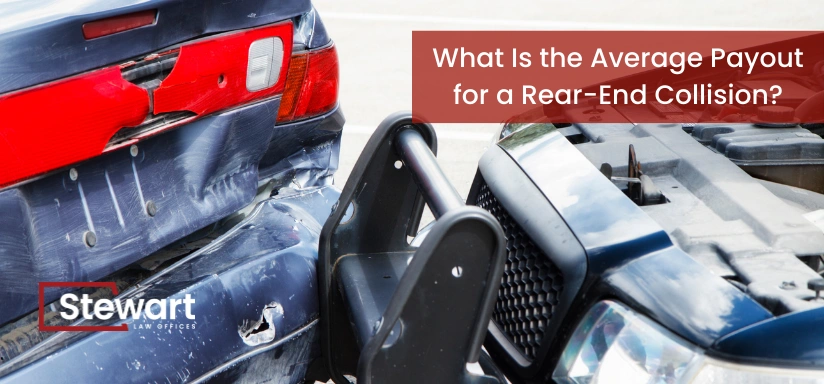
Rear-end collisions are among the most frequent car accidents in South Carolina, and the financial impact varies widely. While some victims walk away with minor injuries and repair costs, others face serious trauma requiring months of care and rehabilitation.
So, what can you expect from a settlement after being rear-ended? The amount depends on several factors, from injury severity and comparative fault to available insurance coverage and legal representation.
Typical Payout Ranges by Injury Severity
In South Carolina, rear-end collision settlement values depend on injury severity, with no fixed formula or cap on economic damages. Minor injuries like whiplash may settle between 5,000 and 25,000, covering basic medical costs and short recovery. Moderate injuries such as herniated discs or fractures often range from 25,000 to 100,000 due to longer treatment and time off work. Severe injuries, like brain or spinal damage, can exceed 100,000, even reaching 1 million for permanent impairment.
While non-economic damages are capped only in medical malpractice cases, car accident claims vary based on medical records, wage loss, insurance limits, and fault under South Carolina laws.
These ranges are only general estimates. Each case must be evaluated individually by an attorney who can assess medical documentation, insurance limits, and evidence of fault.
Key Factors That Influence Rear-End Collision Settlements
The final payout after a rear-end crash is shaped by several major factors:
- Extent of injuries and recovery time: The more serious and long-lasting the injury, the higher the compensation.
- Medical expenses: Hospitalization, surgeries, medication, and therapy all add up quickly.
- Lost wages: If your injuries prevent you from working temporarily or permanently, you can claim lost income and future earning capacity.
- Pain and suffering: Non-economic damages are often calculated based on how much your injuries disrupt daily life.
- Vehicle damage: Significant property damage supports the claim that the crash involved substantial force, strengthening injury claims.
- Fault and comparative negligence: Under South Carolina’s comparative negligence law, your compensation can be reduced if you’re found partially at fault for the crash.
Types of Damages You Can Claim After a Rear-End Accident
Victims of rear-end accidents may pursue several categories of compensation, known as “damages”:
Economic Damages
These are financial losses with clear dollar amounts, including:
- Medical bills and ongoing rehabilitation.
- Lost wages and reduced earning capacity.
- Costs of vehicle repair or replacement.
- Transportation or caregiving expenses.
Non-Economic Damages
These cover the emotional and psychological impact of the crash, such as:
- Pain and suffering.
- Emotional distress.
- Loss of enjoyment of life.
- Permanent disability or disfigurement.
In rare cases involving reckless or intoxicated drivers, victims may seek punitive damages under South Carolina Code § 15-32-530 if the conduct was willful, wanton, reckless, or malicious.
How Fault and Insurance Affect Your Compensation
South Carolina follows a fault-based insurance system, meaning the driver who causes the accident is responsible for paying damages. Typically, compensation comes through the at-fault driver’s liability insurance.
However, things get complicated when:
- The at-fault driver’s insurance limits don’t cover your losses.
- Multiple drivers share responsibility.
- You’re partially at fault for the crash.
Under the modified comparative negligence rule, you can recover damages only if you are 50% or less at fault. Your award is reduced by your percentage of fault.
Legal Framework for Rear-End Collisions in South Carolina
Rear-end accidents may seem straightforward, but proving liability isn’t always automatic. South Carolina traffic laws require drivers to maintain a safe following distance to avoid collisions. Failure to do so can establish negligence.
However, this presumption can be rebutted if the lead driver stopped suddenly, had defective brake lights, or another party contributed to the crash.
To prove liability, attorneys typically gather:
- Police reports.
- Traffic or dash-cam footage.
- Witness statements.
- Vehicle damage and black-box data.
Common Mistakes That Can Reduce Your Settlement Value
Even a strong claim can lose value if handled carelessly. Avoid these common pitfalls:
- Delaying medical treatment.
- Giving a recorded statement to insurance adjusters.
- Posting accident details on social media.
- Settling too quickly before knowing your long-term prognosis.
- Failing to consult a lawyer before signing documents.
Insurance companies often rush to close claims cheaply. Having legal representation ensures you don’t accept less than what your case is worth.
When to Accept a Rear-End Collision Settlement Offer
You should only accept a settlement once:
- You’ve completed medical treatment or reached maximum medical improvement (MMI).
- You understand your future medical and financial needs.
- Your attorney has reviewed the full scope of damages and insurance limits.
Once you sign a settlement agreement, you generally cannot reopen your claim, even if complications arise later. A lawyer’s guidance ensures your final payout truly reflects the impact of your injuries.
Contact Our South Carolina Personal Injury Attorneys for a Free Consultation
Rear-end collisions may seem minor at first, but the physical, financial, and emotional toll can last long after the crash. You don’t have to handle insurance adjusters or settlement negotiations alone.
At Stewart Law Offices, our South Carolina car accident attorneys help victims pursue the full compensation they deserve. If you’ve been injured in a rear-end collision, call us today at 866-783-9278 or contact us online for a free, no-obligation consultation.