Why spinal cord injuries are uniquely serious
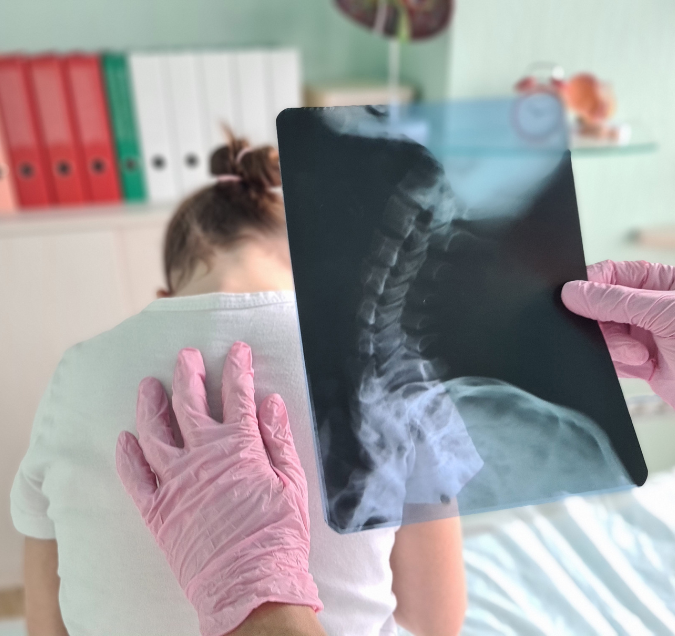
The spinal cord is the primary communication channel between the brain and the rest of the body. Recent data show that approximately 18,000 new traumatic spinal cord injury cases occur in the United States each year. Estimates based on the 2024 data sheet indicate that about 305,000 people are living with traumatic spinal cord injuries nationwide, with a range of 257,000 to 388,000 individuals. When it is damaged by fracture, compression, dislocation, or penetrating trauma, the disruption to that pathway can produce consequences that affect movement, sensation, organ function, and quality of life in ways ranging from significant to catastrophic.
Injury Level and Its Legal Significance
Where along the spine an injury occurs determines which body functions are affected:
- Cervical injuries (C1–C8): These injuries occur in the neck area and typically lead to tetraplegia, the loss of voluntary movement and sensation in all four limbs. The highest cervical injuries often also involve respiratory complications. These are generally considered the most severe and costly injuries within the spinal cord injury spectrum.
- Thoracic injuries (T1–T12): Affecting the mid-back, these injuries usually result in paraplegia, meaning the individual loses lower body function while retaining arm and hand function.
- Lumbar and sacral injuries (L1–S5): Involving the lower spine, these injuries cause varying degrees of dysfunction in the legs, bladder, and bowels. The specific effects depend on the exact level of the injury and whether it is complete or incomplete.
Complete vs. Incomplete Injuries
A complete spinal cord injury means all sensory and motor function below the injury level is lost. An incomplete injury means some neural pathways remain intact and some function is preserved. This distinction matters enormously for both medical prognosis and legal damages, but even incomplete spinal cord injuries can produce permanent, disabling consequences that warrant full legal redress.
Why These Cases Demand Specialized Legal Handling
Spinal cord injury cases are among the most complex and most aggressively defended in all of personal injury law. The potential damages are enormous, and insurance companies invest heavily in contesting them. Accurate damage calculation requires life care planners, neurological experts, vocational economists, and accident reconstruction specialists working together. Building a case that survives defense challenges in North Carolina, particularly under the state’s unique contributory negligence rules, requires specific legal skill and preparation that not every attorney brings to these cases.
Common Causes of Spinal Cord Injuries Across North Carolina
North Carolina’s mix of interstates, busy urban centers, manufacturing plants, farms, and coastal and mountain recreation areas creates many different settings where spinal cord injuries can occur. A North Carolina spinal cord injury lawyer at Stewart Law Offices investigates exactly how an accident happened to identify every party who may be legally responsible.
Common causes of spinal cord injuries in North Carolina include:
- Motor vehicle crashes: Car collisions and motorcycle accidents on major roadways such as I‑77, I‑85, I‑40, I‑95, and urban corridors in Charlotte, Raleigh, and Greensboro often involve high speeds and heavy traffic. Distracted driving, head‑on collision, rollover, or high‑speed rear‑end crash can fracture vertebrae, dislocate the spine, or compress the spinal cord.
- Commercial truck and delivery crashes: Tractor‑trailers, box trucks, and delivery vehicles travel heavily through North Carolina’s interstate system and local industrial areas. When a large truck strikes a smaller vehicle, such as in a truck accident, the forces involved can easily cause catastrophic spinal cord injuries.
- Workplace and industrial accidents: Construction sites, manufacturing plants, warehouses, and distribution centers across the state pose risks such as falls from scaffolding, being struck by falling materials, forklift collisions, and entanglement in heavy machinery. These accidents frequently give rise to workers’ compensation claims, and sometimes to additional personal injury cases against third parties.
- Falls on dangerous property: Falls from ladders, down poorly maintained stairs, or on slick or uneven surfaces at stores, apartment complexes, offices, and public facilities can cause severe spinal trauma if the person lands on their head, neck, or back. Property owners may be liable when they fail to correct or warn about hazardous conditions.
- Sports and recreation incidents: Diving into shallow water at lakes or pools, mountain biking or ATV crashes in recreational areas, and high‑impact sports injuries can cause serious spinal cord damage, especially in the neck.
- Medical negligence: In some cases, spinal cord injuries stem from medical errors, including surgical mistakes, improper immobilization after trauma, or delayed diagnosis of spinal cord compression. When a provider’s negligence causes or worsens spinal damage, a medical malpractice claim may be appropriate.
However your injury occurred, a North Carolina spinal cord injury lawyer at our firm will look beyond basic police and incident reports, gather witness statements, consult with experts, and examine safety practices to build a full picture of why the injury happened and who should be held accountable.
What Compensation Can a North Carolina Spinal Cord Injury Lawyer Recover for You?
When another party’s negligence caused a spinal cord injury in North Carolina, the injured person may pursue compensation for the full range of economic and non-economic losses. In a successfully resolved spinal cord injury case, which can include:
- Comprehensive Medical Expenses: Emergency care, neurosurgery, intensive care, inpatient rehabilitation, outpatient therapy, ongoing specialist visits, medications, durable medical equipment (wheelchairs, assistive technology, ventilators), personal care attendant services, and the projected cost of all future medical needs over the victim’s remaining lifetime. Future medical costs in catastrophic spinal cord injury cases are often the largest component of the damages claim.
- Lost Wages and Projected Earning Capacity: Income lost from the date of injury through recovery, and, for permanent or long-term disabilities, the full economic value of the earning capacity the victim has lost over their remaining working years. For a person injured in their thirties or forties, this can represent decades of projected income.
- Pain and Suffering: The physical pain, emotional anguish, loss of independence, changed identity, and permanent reduction in quality of life that accompany a serious spinal cord injury. North Carolina does not impose caps on non-economic damages in standard negligence cases.
- Loss of Consortium When a spinal cord injury fundamentally alters the marital relationship, through loss of companionship, intimacy, and shared activities, the injured person’s spouse may have a separate loss of consortium claim under North Carolina law.
- Wrongful Death: When a spinal cord injury proves fatal, surviving family members may bring a wrongful death action seeking compensation for funeral and burial costs, the financial support the deceased person provided to the family, and the irreplaceable loss of their presence, care, and companionship.
- Punitive Damages: In cases where the defendant’s conduct was willful, wanton, or reckless rather than merely negligent, North Carolina law allows the court to award punitive damages as an additional measure of accountability. These are not available in every case, but when the facts support them, they can substantially increase total recovery.
How Stewart Law Offices Builds Strong Spinal Cord Injury Cases
Spinal cord injury claims are complex, and both workers’ compensation insurers and liability carriers know that much is at stake. When you hire Stewart Law Offices, a North Carolina spinal cord injury lawyer will build your case step by step, with an eye toward trial, even if the goal is a fair settlement.
Our approach often includes:
- Gathering complete medical records from emergency responders, trauma centers, rehabilitation facilities, and all treating providers to document your diagnosis and limitations.
- Consulting with independent medical experts who can explain your prognosis, permanent restrictions, and future care needs.
- Working with certified life‑care planners to develop detailed projections of the equipment, services, and accommodations you will need over your remaining lifetime.
- Retaining vocational experts and economists to quantify lost earning capacity, lost benefits, and the full economic impact of your injury.
- Investigating the accident thoroughly, collecting photos, videos, witness statements, safety documents, and expert accident reconstruction when needed.
- Preparing you and your family members to testify about how the injury has changed your daily lives and relationships.
By presenting clear, detailed evidence, a North Carolina spinal cord injury lawyer from our firm can push back against defense tactics designed to minimize your injuries and undercut your claim.
Talk with a North Carolina Spinal Cord Injury Lawyer
A spinal cord injury can leave you feeling overwhelmed, especially when you are facing permanent life changes, mounting medical bills, and uncertainty about how you will support yourself and your family. You do not have to face the legal and financial aftermath alone.
If you or a loved one suffered a spinal cord injury anywhere in North Carolina, on the job, on the road, on someone else’s property, or in a medical setting, contact Stewart Law Offices to speak with a North Carolina personal injury lawyer. We offer free consultations, and you owe no attorney’s fee unless we recover compensation for you.

 Attorney Elizabeth VonCannon leads our North Carolina practice with the kind of focused, personal dedication that spinal cord injury cases demand. A licensed member of the North Carolina State Bar, Elizabeth brings more than six years of hands-on experience representing clients with catastrophic injuries throughout the state.