
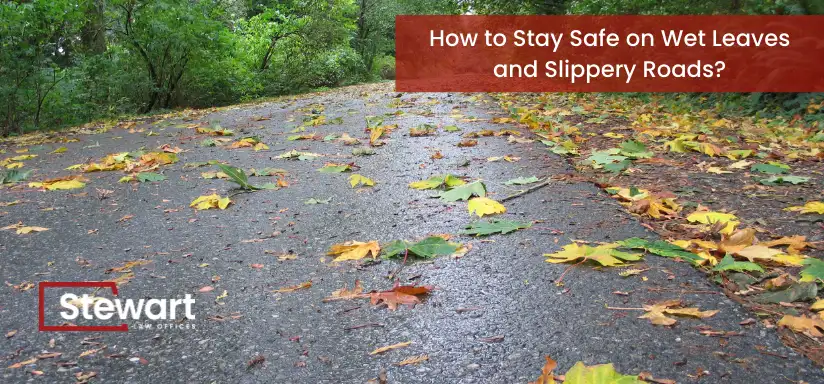
During the fall months, South Carolina drivers should exercise caution due to the hazards of wet leaves and slippery roads. Falling temperatures also mean that roads begin to form dangerous black ice. Fortunately, there are a number of simple tips drivers can follow to avoid these hazards and stay safe this fall.
Dangers of Wet Leaves and Slippery Roads
Autumn means falling leaves. These leaves can get wet from rain or morning dew, potentially making roads dangerous. As they decay, wet leaves can make the road just as slick as black ice. Drivers should exercise extreme caution when driving on roads covered with wet leaves. According to the National Highway Traffic Safety Administration (NHTSA), in 2023, October recorded 3,505 fatal crashes, nearly 12% above the monthly average of 3,138 crashes.
This makes October the deadliest month for traffic accidents, surpassing even historically hazardous summer months. The 2024 early estimates show that 39,345 people died in motor vehicle traffic crashes, representing a 3.8% decrease from 2023, though fatalities remain significantly higher than pre-pandemic levels. Distracted driving and other unsafe behaviors make these already dangerous conditions even more deadly.
How to Stay Safe When Driving on Wet Leaves and Slippery Roads
Here are some simple but effective tips you can follow to reduce the likelihood of an accident involving wet leaves and slippery roads:
- Slow down: Remember to drive more slowly on slippery roads. At higher speeds, your car will need more space to slow down and stop. Speeding on slippery roads also increases the risk of spinning out. In wet conditions, reduce your speed by 5-10 mph below the posted limit, and in heavy rain where visibility is severely reduced, consider reducing speed even further.
- Check your tires: Check your tires to make sure they have sufficient tread and the correct amount of air pressure required by your car’s manufacturer, which will give them proper grip.
- Use dipped headlights: Use your dipped headlights or “low beams” to shine light onto the road surface, which can reveal patches of black ice. Many states legally require headlights to be used in rain. Turn on headlights even during daylight hours to improve your visibility and make your vehicle more noticeable to other drivers. Use low beams rather than high beams in fog or heavy rain, as high beams can reflect off moisture and reduce visibility.
- Recover from hydroplaning: Learn how to recover from a skid caused by hydroplaning or black ice. The specific technique you should apply will depend on your vehicle’s drivetrain and brakes. If hydroplaning occurs, do not brake suddenly or make sharp steering movements. Ease off the accelerator gently, keep the steering wheel straight, and wait for your tires to regain contact with the road surface. Once you feel traction returning, you can gently steer and brake.
- Refrain from using cruise control: Avoid using cruise control on slippery roads. When a tire loses traction while in cruise control, the vehicle may respond by accelerating, potentially causing the car to spin out of control.
- Always use your turn signals: Remember to use your turn signals before turning or changing lanes to avoid surprising other drivers. This is especially crucial in adverse weather when other drivers have reduced visibility and reaction time.
- Avoid road hazards: Drive around any large patches of wet leaves or slippery ice on the road if possible. Be especially cautious during the first 10 minutes of light rain, as water combines with oil residue left by automobiles on the road surface, creating extremely slippery conditions. Fatigued driving is another serious risk factor that compounds hazardous fall road conditions.
- Keep a safe distance: Remember to leave extra distance between yourself and the traffic ahead. Your car will need more room to slow down if traffic ahead brakes. In wet conditions, increase your following distance to 4-6 seconds instead of the normal 3 seconds. This extra space gives you critical reaction time if the vehicle ahead suddenly brakes or hydroplanes.
- Brake gently: If you need to stop, do not jam on the brakes. Doing so may result in your tires losing traction, resulting in skidding and making it hard to control your vehicle. Braking suddenly on wet leaves also increases the chances of hydroplaning.
- Turn slowly: When making a turn, ensure you do so slowly. Turning slowly when driving on wet leaves and slippery roads ensures you maintain control over your vehicle and reduces the risk of slipping or skidding.
- Maintain your vehicle: Beyond tires, check your brakes, lights, and windshield wipers regularly. Malfunctioning brakes or ineffective windshield wipers can contribute to accidents on wet roads. Ensure everything is in proper working condition before fall weather arrives.
- Watch for wildlife: During October and November, be especially alert for deer and other wildlife crossing roads, particularly at dawn and dusk. If you see one deer, expect more to follow, as they often travel in groups.
- Adjust for time changes: After the daylight saving time shift in November, be extra cautious during your evening commute, as it will be darker than before. Research shows that daylight saving time increases the risk of fatal accidents, so give yourself extra time to adjust to the new lighting conditions.
What to Do If an Unsafe Driver Causes an Accident
Unfortunately, no amount of safe driving on your part can protect you from unsafe behaviors on the part of other drivers. If you find yourself in an accident someone else caused, take the following steps to protect your rights:
- Report the crash to your car insurance company.
- Follow your doctor’s treatment plan.
- Request copies of the police accident report and medical records of your treatment and rehabilitation.
- Keep copies of your bills, invoices, and receipts.
- Gather your pay stubs or income statements if your injuries keep you from work.
- Take photographs of road conditions (wet leaves, fog, visibility, damage) and any visible wildlife or skid marks. Photos of the scene and weather conditions are valuable evidence.
- Do not admit fault at the scene; stick to facts when speaking with officers and witnesses.
Finally, contact a South Carolina car accident lawyer from Stewart Law Offices as soon as possible for a free, no-obligation consultation. We can discuss your legal options and pursue the financial recovery you deserve for your injuries and losses. Our Columbia car accident lawyers and Spartanburg car accident lawyers are also available to help clients across South Carolina.