
Spartanburg Lost Load Truck Accident Lawyer
Legally Reviewed by the Stewart Law Offices Content Team: Sep 22, 2026
A lost load truck accident can happen in an instant, yet the consequences may last a lifetime. When cargo falls from a commercial truck, nearby drivers often have little opportunity to react. Some vehicles strike the debris directly, while others lose control attempting to avoid it, resulting in multi-vehicle collisions, rollovers, or secondary crashes. These accidents frequently occur because cargo was improperly secured, overloaded, or transported without following established safety requirements.
 At Stewart Law Offices, our legal team includes Sam Bass, a licensed attorney and member of the South Carolina Bar with more than 16 years of experience handling serious injury cases throughout Spartanburg County. Sam takes the time to understand your crash, identify the businesses involved in loading and transporting the cargo, and provide careful guidance while you focus on medical treatment. Our firm brings more than three decades of experience to complex injury matters.
If you were harmed by falling freight, you need a dedicated Spartanburg lost load truck accident lawyer to protect your rights. We handle every case on a contingency fee basis, meaning you pay nothing unless we secure your compensation.
Why Lost Load Truck Accidents Are So Dangerous
Unlike many truck collisions, a lost load accident may occur without any direct contact between the truck and another vehicle. A large piece of cargo, construction materials, steel pipes, lumber, machinery, furniture, or unsecured equipment can suddenly enter traffic, forcing nearby drivers to make split-second decisions. Swerving into another lane, braking abruptly, or striking roadway debris can cause devastating injuries.
Even relatively small objects can become deadly hazards when they fall from a commercial vehicle traveling at highway speed. For this reason, both federal regulations and industry safety standards require cargo to be properly secured before a truck begins its trip.
Why Cargo Falls From Commercial Trucks
Lost load accidents rarely happen by chance. They often result from preventable mistakes made before the truck leaves the loading facility.
Common causes include:
- Improper cargo securement
- Damaged or worn tie-down equipment
- Overloaded trailers
- Uneven weight distribution
- Failure to inspect cargo during transport
- Inadequate driver training
- Poor loading procedures
- Equipment failures involving straps, chains, or anchor points
A lost load may increase the risk of jackknife, rollover, or side-impact accidents when the driver brakes suddenly or swerves to avoid the material.
What Causes Lost Load Crashes in Spartanburg
Commercial trucks moving through Spartanburg County shed their cargo for identifiable, preventable reasons, and every reason traces back to a party obligated to prevent it.
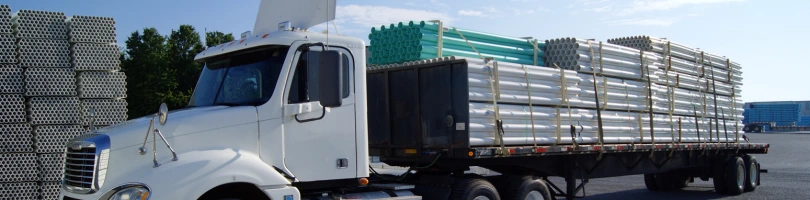
Improperly secured flatbed cargo. Flatbed trailers carrying steel, pipe, timber, and construction equipment are common on I-85 and the industrial routes feeding into Spartanburg’s manufacturing corridor. Federal cargo securement regulations under 49 CFR Part 393 require tie‑downs to meet specific working load limits and mandate minimum numbers of securing devices based on cargo weight and length, with additional standards for certain types of freight. Violations are among the most frequently cited in FMCSA roadside inspections, and they are regularly found in the evidence record after these crashes.
Cargo that shifts during transit. Under 49 CFR Section 392.9, drivers must inspect and adjust load securement within the first 50 miles of a trip and at intervals thereafter. A load that was initially acceptable can become dangerous when cargo shifts during highway-speed cornering or emergency braking. Failure to recheck securement during a long haul from the Southeast freight network through Spartanburg creates liability when that shifted load eventually falls.
Dump truck and gravel hauler debris. Dump trucks and aggregate haulers operating on Highway 29 and Highway 176 in and around Spartanburg County regularly leave gravel, sand, and rock debris on the roadway. Motorists following these vehicles sustain cracked windshields, blown tires, and serious crashes triggered by sudden evasive maneuvers. South Carolina law addresses the duty to cover and contain loose material, and violations of that duty support a negligence claim against the operator.
Third-party loading errors. When a shipper or warehouse crew loads the trailer before the driver arrives, the driver may inherit a load that was never properly secured. Depending on what the driver knew or should have observed during the pre-trip inspection, both the driver and the loading party can bear responsibility for the resulting harm.
Overloaded trailers. When a truck exceeds its rated capacity, weight distribution becomes unpredictable, and the securement equipment designed for the legal load becomes insufficient for the actual load. Overloading also stresses straps, chains, and tarps, which can fail mid-trip. Overweight truck accidents frequently produce lost load crashes for exactly this reason, and the liability in those cases often extends to both the carrier and the party responsible for loading.
Tarp and containment failures. Torn or improperly fastened tarps allow debris to escape even when the underlying cargo is strapped down. Tarp failures at highway speed send material directly into traffic and create hazards for multiple vehicles before the truck driver is even aware cargo has been lost.
Who Is Legally Responsible for a Lost Load Crash in Spartanburg
Multiple parties frequently share responsibility for a Spartanburg lost load truck accident, and identifying every liable party from the outset protects the injured victim’s right to full compensation.
The truck driver bears liability when the driver failed to conduct required securement inspections during transit, observed an insecure load and continued driving, or accepted a visibly improperly loaded trailer before departure. The motor carrier faces direct liability for the driver’s conduct and independent liability for negligent supervision, failure to enforce cargo securement compliance, and inadequate driver training in federal securement requirements. The loading contractor or shipper faces liability when its crew fails to properly brace, block, or tie down the freight before the driver arrives. Equipment manufacturers face product liability when defective tie-down hardware, chains, or straps fail under conditions within their rated capacity.
South Carolina’s modified comparative negligence standard under S.C. Code Section 15-38-15 allows an injured victim to recover compensation when their assigned fault is less than 51 percent. The trucking company’s insurer will attempt to assign as much fault as possible to the injured driver by arguing evasive maneuvers, speed, or following distance. Building an evidence record that establishes the carrier’s own negligence keeps that assignment low enough to preserve full recovery.
Steps to Take After a Lost Load Crash in Spartanburg
Seeking emergency medical evaluation on the day of the crash is the single most important step after a lost load accident, both for health reasons and because the medical record it creates ties the diagnosis directly to the collision date. Even injuries that feel minor initially, including internal trauma and concussions, may worsen over hours or days without treatment.
If physically able, photograph the cargo on the roadway, the truck and trailer configuration, visible damage to your vehicle, skid marks, and the surrounding road environment before the scene is cleared. Note the trucking company name on the trailer, the truck’s DOT number, and the trailer number. Collect contact information from every witness present. Do not give a recorded statement to any insurance representative before consulting a Spartanburg truck accident lawyer, and do not sign any release or settlement document without legal review.
Visit Our Lost Load Truck Accident Attorneys in Spartanburg, SC
Talk to a Spartanburg Lost Load Truck Accident Lawyer Today
Lost load crashes are not random misfortune. They happen when carriers cut corners on securement, shippers fail to brace freight properly, drivers skip required inspection intervals, or equipment is used beyond its reliable limits. The party that caused those failures is financially responsible for the resulting harm. Stewart Law Offices investigates every Spartanburg lost load truck accident claim with the same evidence-first methodology that has produced serious results for injured clients throughout Spartanburg County for more than 30 years.
Sam Bass and the legal team at Stewart Law Offices handle lost load truck accident cases on a contingency fee basis. You pay no attorney fees unless we recover compensation for you.
Frequently Asked Questions About Lost Load Truck Accidents in Spartanburg
A lost load truck accident in Spartanburg, South Carolina occurs when cargo, equipment, building materials, or other freight falls from a commercial vehicle and causes a collision or forces another driver to take evasive action. The truck does not have to make direct contact with another vehicle for the trucking company or other responsible parties to potentially be held liable.
You may recover compensation if the truck driver says another company loaded the cargo in Spartanburg, South Carolina, because liability may extend to the shipper or loading contractor, but the evidence must connect the loading failure to the crash, and a Spartanburg truck accident lawyer can investigate contracts, bills of lading, inspection records, and securement procedures.
Yes, this is common, and you should approach it very carefully in Spartanburg, South Carolina. The carrier insurance adjuster works for the insurance company, not for you. Recorded statements made to an adjuster in the days after a crash can be used to limit your claim later. Before giving any recorded statement or signing any release, speak with a qualified attorney about what your rights are and what the document actually means.