

Lexington Wrongful Death Lawyer
Legally Reviewed by, Stephen Vicari: Feb 24, 2026
Losing a loved one is never easy. When that loss is caused by negligence, recklessness, or intentional misconduct, the grief can feel even more overwhelming. Families are often left struggling with unexpected financial burdens in addition to emotional pain. South Carolina law allows surviving relatives to pursue compensation through a wrongful death claim, holding the at-fault party accountable. If your family is coping with the loss of a loved one in Lexington, the wrongful death lawyers at Stewart Law Offices are here to help.
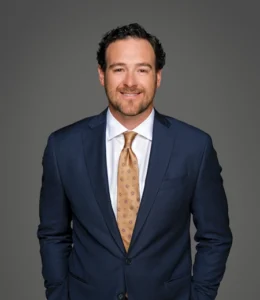 Our team includes Stephen Vicari, a licensed South Carolina Bar attorney with more than 10 years of experience representing families throughout Lexington County. Our attorneys take the time to understand your family’s situation and handle every detail with care, allowing you to focus on healing. Whether your loss occurred in a car accident, a workplace tragedy at one of Lexington County’s manufacturing facilities, or due to medical negligence at a local hospital, we’re here to guide you through this difficult time.
We investigate, preserve evidence, negotiate with insurers, and pursue litigation when necessary, fighting for justice while you focus on healing.
What Is a Wrongful Death Claim in South Carolina?
A wrongful death claim may be filed when a person’s death is caused by the wrongful act, neglect, or default of another. Essentially, it is a civil action that allows family members to pursue damages for losses that result from the untimely death of their loved one.
It’s important to understand that a wrongful death claim is separate from any criminal charges that may arise from the same incident. For example, if a drunk driver causes a fatal car accident on Highway 378 near Lake Murray, the state may pursue criminal charges against the driver. At the same time, the deceased person’s family can pursue a wrongful death lawsuit to recover financial compensation.
Survival Action in South Carolina
In addition to wrongful death claims, South Carolina law recognizes “survival actions.” Understanding the difference between these two legal remedies is important for families seeking full compensation after a fatal accident.
Wrongful Death Claims
Wrongful death claims are filed by a personal representative on behalf of surviving family members. They compensate for funeral costs, lost earnings, emotional suffering, and companionship. Damages are distributed under South Carolina succession laws. These claims must generally be filed within three years of death.
Survival Actions
Survival actions compensate the deceased’s estate for damages incurred before death, such as medical bills, lost income, pain, suffering, and property damage. Filed by the same representative, damages go to the estate under intestate rules.
For example If your loved one was seriously injured in a truck accident on I-20 near Lexington and survived for two weeks before passing away, you could potentially pursue both a survival action (for the pain, medical bills, and suffering during those two weeks) and a wrongful death claim (for your family’s losses after their death).
Who Can File a Wrongful Death Claim in Lexington?
In South Carolina, wrongful death claims must be filed by the executor or personal representative of the deceased person’s estate. While the claim is filed through the estate, the compensation is meant to benefit the surviving family members.
Those who may receive compensation include:
- The surviving spouse and children of the deceased
- If there is no spouse or children, the surviving parents may receive compensation
- If there are no surviving parents, children, or spouse, the claim may benefit other heirs under state law
This process ensures that the closest family members who suffer the greatest loss are provided with financial relief.
What Must Be Proven in a South Carolina Wrongful Death Case
To succeed in a wrongful death lawsuit in Lexington or anywhere in South Carolina, your attorney must prove four essential elements:
Duty of Care
In wrongful death cases, the defendant must have owed a duty of care to the deceased. This includes drivers operating vehicles safely, doctors providing competent treatment, property owners maintaining safe premises, and employers ensuring safe working conditions. Establishing this duty is the foundation.
Breach of Duty
After proving duty, it must be shown that the defendant breached it through negligent, reckless, or intentional conduct. Examples include distracted driving, surgical errors, ignoring hazards, or violating safety regulations. Demonstrating this breach is essential to connect the defendant’s actions to the fatal outcome.
Causation
The breach must directly cause the death. This requires showing that “but for” the defendant’s conduct, the deceased would still be alive, and that the death was a foreseeable result. Establishing causation links negligent or reckless behavior to the tragic loss suffered by the family.
Damages
Damages must be proven to show measurable losses. These include medical bills, funeral expenses, lost income, emotional distress, and loss of companionship. In cases of gross negligence or misconduct, punitive damages may apply. Demonstrating damages highlights the full impact of the wrongful death.
Our Lexington wrongful death attorneys work with accident reconstruction experts, medical professionals, economists, and other specialists to build a compelling case that proves each of these elements.
Common Causes of Wrongful Death in Lexington, SC
Wrongful death can occur in many different circumstances. Some of the most common causes in Lexington and across South Carolina include:
- Motor vehicle accidents: Fatal crashes involving cars, trucks, motorcycles, and pedestrians are often caused by speeding, distracted driving, drunk driving, or reckless behavior. I-20, Highway 378, and Two Notch Road are among Lexington County’s highest-risk corridors for fatal accidents.
- Workplace accidents: Construction, industrial, and manufacturing sites can be especially dangerous if safety standards are ignored. Falls, equipment accidents, and exposure to hazardous materials may all result in fatal injuries.
- Medical malpractice: Misdiagnosis, surgical errors, prescription mistakes, and lack of proper care can tragically lead to death.
- Nursing home abuse and neglect: Failure to provide proper care, medication errors, and neglect can cause wrongful deaths among vulnerable elderly residents. Several assisted living and nursing facilities throughout Lexington County serve elderly residents who deserve proper care.
- Criminal acts: Intentional violence or reckless conduct can also form the basis of a wrongful death lawsuit.
- Premises liability accidents: Fatal slip and falls, inadequate security, or dangerous property conditions
- Pedestrian and bicycle accidents: Particularly common in downtown Lexington and near Lake Murray recreational areas
Every case is unique, and determining the cause is often the first step in building a strong wrongful death claim.
What Compensation Is Available in a Wrongful Death Case?
The goal of a wrongful death claim is to provide surviving family members with financial support for the losses they have suffered. Depending on the circumstances of the case, damages may include:
- Medical expenses related to the injury or illness that caused the death
- Funeral and burial costs
- Loss of financial support and benefits that the deceased would have provided
- Loss of companionship, guidance, and care for surviving family members
- Emotional distress and mental anguish experienced by the survivors
- Punitive damages, in cases where the at-fault party’s actions were especially reckless or intentional
While no amount of money can replace your loved one, a successful wrongful death claim can help provide financial stability and hold the negligent party accountable. Witness memories fade, accident scenes change, surveillance footage is deleted, and crucial documents can be lost. The sooner you contact a Lexington wrongful death attorney, the stronger your case will be.
How Long Do You Have to File a Wrongful Death Claim in South Carolina?
South Carolina law imposes strict deadlines for wrongful death claims. Generally, the claim must be filed within three years of the date of death.
If the claim is not filed within this period, the family may lose the right to pursue compensation altogether. Acting quickly is critical, not only to meet the statute of limitations but also to ensure that important evidence is preserved.
How to Pursue a Wrongful Death Claim in South Carolina
Filing a wrongful death claim in Lexington involves several critical steps:
Appointing a Personal Representative
A wrongful death claim begins with appointing a personal representative through the Lexington County Probate Court. If a will exists, the executor is appointed; otherwise, the court designates an administrator, often a spouse or close relative, who has the authority to file the lawsuit.
Conducting a Thorough Investigation
Investigations require gathering police reports, medical records, autopsy findings, and witness statements. Accident reconstruction may be necessary for crashes, while physical evidence such as damaged vehicles or defective products must be preserved. Identifying liable parties and reviewing insurance coverage ensures all potential recovery options are considered.
Calculating Damages
Damages include lost income, funeral expenses, and emotional losses such as companionship and guidance. Economists may project financial impact, while punitive damages can apply in cases of gross negligence or misconduct. Proper calculation ensures the court understands both financial and emotional consequences of the wrongful death.
Filing the Complaint
The complaint must be drafted and filed in the appropriate court within the statute of limitations. Defendants must be served with the complaint and summons. Filing correctly and on time is essential to preserve the right to pursue compensation for wrongful death.
Engaging in Discovery
Discovery involves exchanging evidence, taking depositions, and responding to document requests. Witnesses and experts may be examined, and independent medical evaluations can be conducted. This stage allows both sides to build their case and prepare for settlement negotiations or trial proceedings.
Settlement or Trial
Most wrongful death claims resolve through settlement negotiations or mediation. If settlement fails, the case proceeds to trial before a Lexington County jury. Evidence is presented, witnesses examined, and compensation sought. Successful claims result in judgments distributed to beneficiaries under court supervision.
How a Lexington Wrongful Death Lawyer Can Help
Handling a wrongful death case on your own can feel overwhelming, especially when you are already coping with grief. A skilled Lexington wrongful death attorney can help by:
- Investigating the cause of your loved one’s death
- Gathering crucial evidence, including medical records, accident reports, and witness statements
- Working with expert witnesses, such as accident reconstruction specialists or medical experts
- Negotiating with insurance companies on your behalf
- Filing a wrongful death lawsuit and representing you in court if necessary
Having an experienced lawyer on your side means you don’t have to face powerful insurance companies or complex legal rules alone.
Visit Our Wrongful Death Attorneys in Lexington, SC
Why Choose Stewart Law Offices for a Wrongful Death Claim in Lexington?
At Stewart Law Offices, we understand the profound pain of losing a loved one unexpectedly, and we’re here to help families across South Carolina seek justice. With decades of experience in wrongful death cases, our attorneys provide compassionate, personalized attention tailored to your family’s needs. Serving Lexington and surrounding communities, we offer local representation backed by proven results. This isn’t just a case; it’s your life, and we’re committed to fighting for accountability and meaningful closure.
FAQs About Wrongful Death Claims in Lexington, SC
A wrongful death happens when someone’s life is cut short due to another person or company’s negligence, recklessness, or intentional wrongdoing. This may include fatal car crashes, medical mistakes, workplace accidents, or unsafe products. Unlike a criminal case, a wrongful death lawsuit is a civil claim that allows family members to seek compensation for financial losses and emotional harm caused by their loved one’s untimely passing.
Only the personal representative of the deceased person’s estate can file a wrongful death lawsuit in South Carolina. However, the compensation is meant to benefit surviving family members, such as a spouse, children, or parents. If there are no immediate relatives, other heirs may be entitled to recover damages. This system ensures that those most affected by the loss have the opportunity to seek justice and financial support after a loved one’s death.
In most cases, families have three years from the date of their loved one’s death to file a wrongful death claim. If a lawsuit is not filed within that time, the family may lose the right to pursue compensation. Because important evidence can disappear and witnesses’ memories fade over time, it’s best to contact an attorney as soon as possible to protect your family’s rights and begin building a strong case.
Families pursuing a wrongful death claim may be eligible to recover both financial and emotional losses. Compensation can include medical expenses, funeral and burial costs, and the income the deceased would have contributed to the household. Families may also receive damages for emotional suffering, loss of companionship, guidance, and support. In certain cases, punitive damages may be awarded to punish especially reckless or intentional misconduct. Each case is unique, and damages depend on the circumstances.
While families are not required to hire a lawyer, wrongful death cases can be legally complex and emotionally draining. Insurance companies often try to minimize settlements or deny responsibility. An experienced Lexington wrongful death lawyer can investigate the case, gather evidence, handle negotiations, and represent you in court if necessary. Having an attorney ensures your family’s rights are fully protected and gives you the best chance at securing the maximum compensation available for your loss.