
Charlotte T-Bone Collision Lawyer
Legally Reviewed by Elizabeth VonCannon, Sep 01, 2026
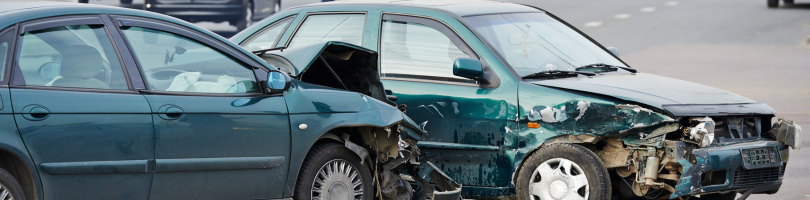
Side-impact collisions at Charlotte intersections like Independence Boulevard, Albemarle Road, and Providence Road create some of the most catastrophic injuries in vehicular accidents. When a vehicle’s front end strikes the side of another vehicle, the consequences can be life-altering. The Insurance Institute for Highway Safety reports that side-impact collisions account for nearly 24 percent of all passenger vehicle fatalities across the United States, making these crashes disproportionately deadly compared to their frequency.
 Stewart Law Offices represents injured accident victims throughout Charlotte and Mecklenburg County who have suffered serious harm in side-impact collisions. Elizabeth VonCannon, a dedicated North Carolina State Bar licensed attorney, brings more than six years of hands-on experience fighting for accident victims. When you trust our firm with your case, you work with an attorney who genuinely understands the complexity of intersection crashes and how insurance companies minimize these claims.
When you hire a Charlotte T-bone collision lawyer from Stewart Law Offices, you get an attorney who will investigate your accident thoroughly, document your injuries completely, and negotiate relentlessly with insurance carriers to secure the compensation you deserve.
What Causes T-Bone Collisions in Charlotte
A T-bone collision, also called a side-impact or angle crash, occurs when the front of one vehicle strikes the side of another, forming the shape of the letter T at the point of impact. According to the National Highway Traffic Safety Administration, angle collisions, including T-bone impacts, caused approximately 8,400 deaths in 2024.
Our Charlotte T-bone collision lawyers investigate every cause and gather evidence before it disappears.
Running Red Lights And Stop Signs
The most frequent cause of side-impact crashes nationwide is a driver who enters an intersection against a traffic control device. Whether a driver runs a red light at full speed or rolls through a stop sign assuming no cross-traffic is coming, the result can be a direct, high-force strike against another vehicle that had every right to proceed. Intersection crash evidence, including traffic camera footage, intersection sensor data, and eyewitness accounts, must be secured quickly to establish what the light signals showed at the time of impact.
Failure To Yield On Left Turns
Left-turn crashes are among the most preventable side-impact collisions and among the most deadly. When a driver turns left through an intersection, they must yield to oncoming traffic traveling straight through. Misjudging the speed or distance of an oncoming vehicle, attempting to beat a yellow light, or simply failing to look carefully before turning can send one car directly into the side of another.
Distracted Driving
A driver who is texting, glancing at a navigation app, or otherwise not watching the road may not even register a red light or a stop sign before entering an intersection. Distracted driving is a leading contributor to intersection crashes throughout Charlotte, and proving it occurred requires cell phone records, vehicle data, and witness testimony gathered early in the investigation.
Drunk And Impaired Driving
Impaired drivers have slowed reaction times and impaired judgment, making them far more likely to misread traffic signals or fail to notice a cross-street before entering an intersection at speed. When alcohol or drugs contribute to a T-bone collision, our attorneys pursue not only full compensatory damages but also potential punitive damages where the facts support them. These are some of the most serious DUI accident cases we handle, and they demand aggressive legal pursuit.
Speeding
A speeding driver has less time to react to changing signals and other vehicles entering an intersection. Even if the speeding driver was not technically running a red light, their excessive speed may make it impossible to stop in time when another vehicle lawfully enters the intersection ahead of them. Speed-related evidence from skid marks, impact force analysis, and vehicle black-box data is essential in these cases.
Poor Visibility And Road Conditions
Faded lane markings, obscured traffic signals, overgrown vegetation blocking sight lines, and inadequate intersection lighting can all contribute to side-impact crashes. When a government entity responsible for maintaining roadway infrastructure contributed to creating the hazardous condition, an additional claim against that entity may be available under the North Carolina Tort Claims Act.
Proving Fault in North Carolina Side-Impact Collisions
Determining who caused a side-impact collision often depends on right-of-way rules and strong evidence. To recover compensation in North Carolina, you must prove the four essential elements of negligence.
- Duty: Every driver owes a legal duty to operate their vehicle safely and obey traffic laws, including yielding the right of way when required.
- Breach of Duty: A breach occurs when a driver violates that duty through negligent conduct, such as failing to yield at an intersection, running a red light, making an unsafe lane change, or speeding through a turn.
- Causation: You must show that the other driver’s breach of duty directly caused the collision and your injuries.
- Damages: You must prove actual harm, including medical bills, lost wages, property damage, pain and suffering, and other losses.
North Carolina’s Contributory Negligence Rule
North Carolina follows a strict pure contributory negligence rule. If the insurance company can show you contributed even slightly to the crash, you may be completely barred from recovering any compensation. This makes building a strong liability case especially important, as insurers aggressively look for any basis to assign partial fault to you.
Our Charlotte T-Bone collision attorneys work to preserve and gather evidence that establishes fault clearly and counters any attempt to shift blame onto you. This includes obtaining intersection traffic camera footage before it is overwritten, securing black-box event data recorder information from the at-fault vehicle, collecting police reports and any citations issued at the scene, locating and interviewing independent witnesses, retaining accident reconstruction experts when needed, and analyzing cell phone records to identify distraction as a contributing factor.
If the driver who hit you fled the scene before law enforcement arrived, our Charlotte car attorneys handle hit-and-run accident claims and work both with law enforcement to identify the responsible driver and with your own insurance carrier to pursue your uninsured motorist coverage if the driver is never found.
Injuries In Charlotte T‑Bone Collisions
The injuries sustained in a T‑bone collision depend on which side of the vehicle was struck, how fast the vehicles were traveling, and where occupants were positioned at the moment of impact. Because side‑impact crashes concentrate force directly into the passenger compartment, injuries are frequently severe and can produce lasting disability.
The following injuries are most common:
- Traumatic brain injuries from head strikes against windows, door frames, or interior surfaces
- Spinal cord injuries, including thoracic and lumbar fractures, caused by lateral force through the torso
- Rib fractures and internal organ damage such as pneumothorax, hemothorax, and injuries to lungs or abdominal organs
- Crush injuries to the hip and leg with fractures of the femur, pelvis, and tibia when the door caves inward
- Lacerations from broken glass and metal edges producing both surface wounds and deep tissue damage
- Neck and shoulder injuries including whiplash and soft tissue trauma from unexpected lateral acceleration
- Airbag‑related injuries such as chemical burns, respiratory issues, and sternum or rib fractures in severe crashes
- Heightened risk of fatality when collisions involve large vehicles or commercial trucks
Each of these injuries can alter a victim’s life permanently, requiring extensive medical care and rehabilitation.
Our Charlotte T‑bone accident lawyers document every injury thoroughly, securing medical records, crash reports, and expert testimony to prove liability. By tying the severity of injuries directly to the collision dynamics, we build strong claims for compensation covering medical costs, lost wages, and long‑term recovery needs.
Damages Available in North Carolina T-Bone Collision Claims
A successful personal injury claim following a T-bone collision in Charlotte can recover two broad categories of compensation under North Carolina law.
Economic Damages
These address every verifiable financial loss caused by the crash. Recoverable economic damages typically include:
- Emergency room treatment and hospitalization
- Surgeries and specialist care
- Diagnostic imaging and testing
- Physical and occupational therapy
- Prescription medications and medical equipment
- Future medical costs for ongoing or permanent conditions
- Lost wages during recovery
- Reduced future earning capacity if your injuries limit your ability to return to prior employment
- Vehicle repair or replacement
- Property damage to personal items inside the vehicle
Non-Economic Damages
These compensate for the personal toll of a serious injury that cannot be measured by receipts. North Carolina law recognizes compensation for:
- Physical pain and the daily limitations it imposes
- Emotional distress and mental anguish
- Loss of enjoyment of activities and relationships you valued before the crash
- Post-traumatic stress, anxiety, and sleep disturbances
- Damage to marital or family relationships (loss of consortium)
Under North Carolina General Statute § 1-52, most personal injury lawsuits must be filed within three years of the date of the crash. In wrongful death cases arising from a fatal T-bone collision, the three-year period begins on the date of the victim’s death.
How Stewart Law Offices Handles Your Case
Our team manages every aspect of your case while you recover. We investigate thoroughly, gather evidence, interview witnesses, obtain traffic signal timing data, and hire accident reconstruction experts if necessary. We handle all communications with insurance companies, so you’re never pressured or manipulated by adjusters.
We calculate comprehensive damages accounting for past and future medical care, lost wages and lost earning capacity, home modifications if permanent disability resulted, rehabilitation and pain management costs, and non-economic damages for suffering and reduced quality of life. We demand compensation covering all your actual losses, not whatever insurance companies decide.
We negotiate aggressively but prepare your case for trial if settlement negotiations fail. Insurance companies take cases with experienced Charlotte car accident attorneys far more seriously than unrepresented claims.
Visit Our T-bone Collision Attorneys in Charlotte, NC
Protect Your Rights After a Side-Impact Collision
A T-bone accident caused by another driver’s negligence is not something you should simply accept and move on from. You have the legal right to hold that driver and their insurance company accountable for the harm they caused.
Contact Stewart Law Offices immediately after a T-bone collision in Charlotte or Mecklenburg County. Time is critical in preserving evidence and establishing your claim. Call (704) 521-5000 or contact us online for your free consultation.
Frequently Asked Questions About T-Bone Collisions in Charlotte, NC
In Charlotte, North Carolina, if you were proceeding on a green light through an intersection and another driver ran a red light and hit your vehicle, your speeding would need to be the proximate cause of the collision for you to be found liable. Simply exceeding the speed limit while lawfully proceeding through an intersection does not eliminate the other driver’s liability for running the light, though it may reduce your recovery if the other driver can prove you could have avoided the collision at a lower speed. If an uninsured driver caused your T-bone collision in Charlotte, North Carolina, you may recover compensation through your own uninsured motorist coverage, which covers medical expenses and lost wages when the at-fault driver carries no insurance. This coverage is separate from your liability coverage and may provide substantial recovery if you maintained this optional protection on your auto policy. If the driver who T-boned your vehicle in Charlotte was driving under the influence of alcohol or drugs, that impairment supports your negligence claim and may allow you to pursue punitive damages in addition to standard compensation. A DUI accident significantly strengthens your case because intoxication is direct evidence of breach of duty and negligence, and the at-fault driver’s criminal conviction can be used in your civil case.