
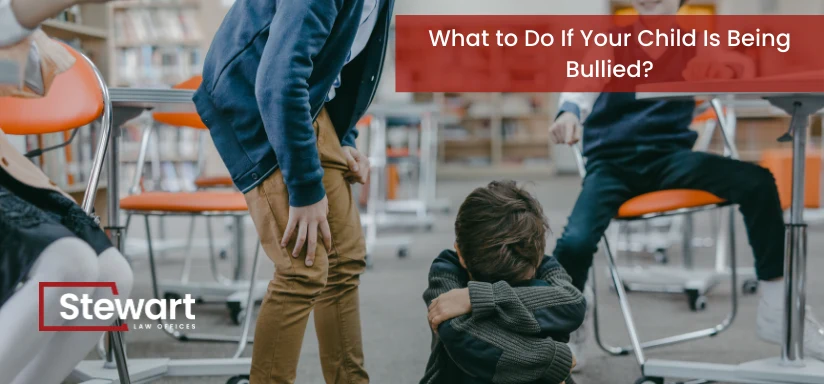
Every parent wants their child to thrive in a nurturing and safe learning environment. However, bullying is a pervasive issue in many schools, with far too many in-person and online incidents occurring each year.
If you know or suspect your child is being bullied in school, you might worry about their mental health, self-esteem, and academic performance. Understanding the legal framework for addressing bullying and the specifics of your student’s rights can provide hope during these difficult times.
Here’s what you need to know if your child experiences bullying at school.
Legal Framework for Addressing Bullying
In many educational settings, the term “bullying” means intentional and repeated harassment or torment, whether verbal, physical, or digital in nature. Beyond this basic definition, federal laws such as Title IX and the Civil Rights Act play key roles in protecting students.
Title IX protects students from gender-based discrimination, which includes bullying and harassment related to gender or sexuality. The Civil Rights Act prohibits discrimination based on race, color, sex, religion, and national origin. These laws require schools to take proactive measures against such discriminatory practices and ensure a safe learning environment for all students.
Schools are legally obligated to address and rectify the situation if bullying occurs. One in five students ages 12-18 is bullied annually. Bullying is highest in middle schools (26.3%) compared to high schools (15.7%). Parents and guardians should meticulously document all instances of bullying, as this evidence is critical when building a legal case or holding a school accountable.
This includes taking screenshots of cyberbullying messages, saving texts and emails, photographing any physical injuries, and keeping detailed records of dates, times, locations, and witnesses. Children and young people under 25 who are victims of cyberbullying are more than twice as likely to self-harm and experience suicidal behavior. Cyberbullying lawyers can use this documentation to underscore the gravity of the situation and strengthen the affected student’s case.
Warning Signs Your Child May Be Experiencing Bullying
Many children don’t immediately tell adults about bullying due to feelings of shame, fear of retaliation, or concern that parents will overreact. As a parent, it’s crucial to recognize these warning signs. Being aware of your child’s emotional state is especially important, as studies show bullying can lead to child PTSD symptoms after traumatic events that require professional attention.
Emotional and Behavioral Changes
- Unexplained mood changes, anxiety, depression, or withdrawal
- Loss of confidence or self-esteem that they previously had
- Increased nervousness, fearfulness, or appearing especially angry
- Becoming unusually secretive, especially about school or online activities
- Mentions of running away, feeling helpless, or “not being good enough.”
Physical Signs
- Frequent headaches, stomachaches, or complaints of illness
- Unexplained injuries, cuts, bruises, or scratches
- Torn or missing clothing
- Lost or destroyed belongings, books, or electronics
- Changes in eating habits or sleeping patterns
- Difficulty sleeping or frequent nightmares
Academic and Social Changes
- Declining grades or loss of interest in schoolwork
- Sudden reluctance or refusal to go to school
- Skipping classes or frequently visiting the school nurse
- No longer talking about friends, school activities, or social media
- Avoiding previously enjoyed activities or social situations
- Coming home hungry because they skipped lunch to avoid the cafeteria
Keeping children safe extends beyond the classroom. Resources like back-to-school safety tips and pedestrian safety tips for students can help parents take a comprehensive approach to their child’s wellbeing.
South Carolina Bullying Regulations and Reporting
In South Carolina, the Safe School Climate Act addresses bullying. Under this law, no one can harass, intimidate, or bully another person at school. Anyone who witnesses such an act must report it to a school official. The law requires schools to have policies in place to address such behavior and protect students.
A local school bullying lawyer can help you understand the protections in place for your children and how to advocate for them if they face bullying at school. Families in the region can also consult the South Carolina personal injury lawyers at Stewart Law Offices to explore all available legal options. Those in the Midlands area can reach our Lexington personal injury lawyer for localized support.
Stewart Law Offices’ Support for Families
Every child deserves to learn in a safe environment. If bullying interferes with your child’s educational journey, the bullying lawyers at Stewart Law Offices can help. We can talk about how to stop harassment legally using bullying and harassment laws.
Our dedicated team understands the nuances of the legal system and how it applies to bullying in schools. We are committed to advocating for your child’s safety and rights. Families dealing with serious harm to a child may also want to explore their rights under wrongful death law in the most tragic cases. The journey might seem long, but justice is within reach with the right legal partner.
Reach out to Stewart Law Offices now and take the first step with a free initial consultation.