
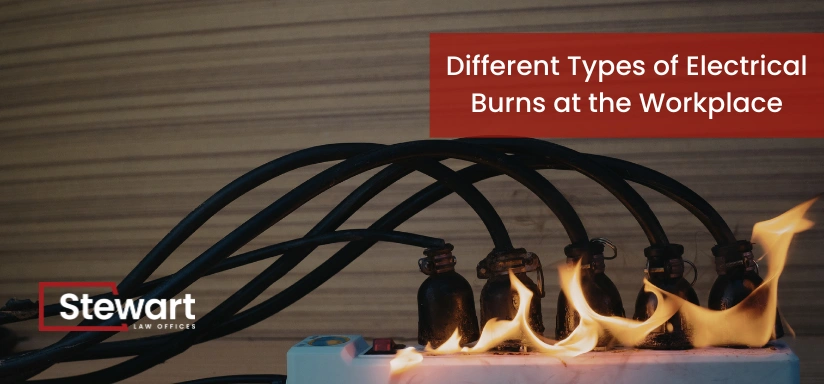
Workplace electrical hazards pose serious risks across numerous industries, from construction sites and manufacturing facilities to office environments. When workers encounter energized equipment or electrical systems during their daily tasks, the resulting injuries can range from minor surface burns to catastrophic internal damage. Understanding the various categories of electrical burn injuries helps employees recognize risks and employers implement effective safety measures to protect their workforce.
Understanding Electrical Burns in the Workplace and How They Occur
Electrical burns develop when the human body becomes part of an electrical circuit, allowing current to pass through tissue. Unlike thermal burns from external heat sources, electrical injuries occur because the body conducts electricity, converting that energy into heat as it travels through muscles, organs, and nerves. The severity of injury depends on multiple factors, including voltage level, current type (AC or DC), pathway through the body, duration of contact, and the individual’s physical characteristics.
According to the Electrical Safety Foundation International (ESFI), using data from the U.S. Bureau of Labor Statistics, there were 1,940 fatal electrical injuries in U.S. workplaces from 2011 to 2023. Notably, 74% of these fatalities occurred among workers in non-electrical occupations, highlighting that electrical hazards affect employees who may not expect them as part of their job duties.
Workplace electrical burns and injuries typically occur through several common mechanisms:
- Direct contact with live wires or energized equipment
- Arcing (electrical flash without direct contact)
- Failure to de-energize (lockout/tagout errors) before maintenance
- Contact with overhead power lines (e.g., during construction, crane operation, or tree trimming)
- Equipment malfunctions due to faulty wiring, damaged insulation, or improper grounding
Different Types of Electrical Burns at the Workplace
Electrical burn injuries fall into distinct categories based on how the electrical energy interacts with the body:
Flash Burns
Arc flash injuries are among the most common electrical workplace injuries and involve thermal burns caused by electrical arcing through the air, without direct contact. The arc creates extreme heat, light, and pressure, which can severely burn exposed skin, ignite clothing, and cause respiratory damage from inhaling hot gases.
Flame Burns
When electrical current ignites nearby materials, victims suffer flame burns as secondary injuries. The electrical event itself may not contact the worker, but the resulting fire can spread to clothing or surroundings. These burns range from superficial to deep tissue damage.
Contact Burns
Contact burns (also known as “true” electrical burns) result from direct contact with energized sources. Current enters and exits the body, generating heat that damages skin, muscles, nerves, and organs along its path. External wounds may appear minor, while internal damage is extensive.
Lightning Injuries
Although less common indoors, outdoor workers face risks from lightning strikes. These deliver extremely high voltage briefly, potentially causing cardiac arrest, neurological damage, and severe burns.
Common Workplace Scenarios That Cause Electrical Burns
Electrical workplace fatalities are most often caused by contact with overhead power lines (48%). Other causes include touching live wires, falling into charged water, contacting outlets with conductive tools, faulty wiring/equipment, and failure to de-energize power sources before repairs.
Many electrical burns are preventable and result from poor lockout/tagout procedures, insufficient PPE, lack of training, rushed work, ignoring safety, and unrecognized hazards.
High-Voltage versus Low-Voltage Electrical Burns
Electrical burns are categorized as either high-voltage or low-voltage injuries, and both types can cause serious harm.
Low-Voltage Burns
Typically, 500 volts or less (common in commercial systems). They can still cause significant tissue, nerve, and heart damage.
High-Voltage Burns
Often exceeding 1,000 volts (industrial settings). More likely to cause widespread internal damage, even if external burns seem limited.
Regardless of voltage, severity depends on current type, tissue resistance, exposure duration, and individual health factors.
Immediate First Aid for Electrical Burns at Work
When an electrical burn occurs, prompt action is essential to protect the victim and any potential rescuers.
Immediate Safety Steps:
- Stop the Current: Immediately disconnect the electrical source or use an object that does not conduct electricity to separate the victim from the current.
- Never Touch: Do not touch someone who is still in contact with the electrical source; this prevents you from becoming a secondary victim.
Emergency Medical Response (Call 911):
- Call 911 right away. Even seemingly minor electrical injuries can lead to severe, delayed issues like cardiac complications or hidden internal damage.
- Check the victim’s breathing. Start CPR if breathing has stopped.
- Follow the guidance provided by emergency dispatchers until professional medical help arrives.
- If the victim has no pulse or loses consciousness, quickly locate and use an Automated External Defibrillator (AED).
Employer Responsibilities Under Federal Safety Standards
OSHA Standard 1910.333 mandates that employers use safety practices to prevent electric shock when employees work near energized equipment. Regulations require deenergizing electrical systems before maintenance unless it creates greater hazards. Employers must provide electrical safety training covering hazard recognition, safe work procedures, and emergency response, including lockout/tagout instruction. Required PPE includes insulated gloves, flame-resistant clothing, and face shields.
A strong safety culture involves encouraging hazard reporting, conducting thorough incident investigations, ensuring adequate staffing to prevent shortcuts, and consistently reinforcing safe practices through supervisory guidance.
How Electrical Burn Injuries Impact Workers’ Compensation Claims in North Carolina
North Carolina operates a no-fault workers’ compensation system, meaning injured employees receive benefits regardless of who caused the accident. Workers who suffer electrical burns on the job typically qualify for several types of compensation.
Medical Benefits:
Workers’ compensation covers all reasonable medical treatment related to the electrical injury, including emergency care, hospitalizations, surgeries, medications, physical therapy, and follow-up appointments. No cap limits these benefits as long as treatment remains medically necessary.
Disability Benefits:
If electrical burn injuries prevent work, employees receive disability compensation, typically two-thirds of their average weekly wage (subject to state maximums). Benefits vary based on the type: temporary total disability, temporary partial disability, permanent partial disability, or permanent total disability.
Under N.C. Gen. Stat. § 97-29, workers with second-degree or third-degree burns covering 33% or more of total body surface area qualify for Permanent Total Disability benefits, which can provide lifetime wage replacement and medical coverage (subject to proof of total loss of earning capacity).
Disfigurement Compensation:
North Carolina provides additional compensation for serious permanent scarring and disfigurement under § 97-31(21)–(22):
- Severe facial or head disfigurement: Up to $20,000.
- Severe bodily disfigurement (not otherwise compensated): Up to $10,000.
Awards are at the discretion of the Industrial Commission and are separate from other disability payments.
Workers must report electrical burn injuries to their employer as soon as possible (within 30 days) and file a formal claim (Form 18) with the North Carolina Industrial Commission within two years of the injury date. Seeking treatment from employer-directed providers helps maintain eligibility.
Contact an Experienced North Carolina Workers’ Compensation Lawyer
Electrical burn injuries often involve complex medical issues and substantial long-term costs. Insurance companies may dispute the extent of injuries, question whether burns occurred at work, or pressure injured workers into inadequate settlements.
At Stewart Law Offices, our attorneys represent injured workers across the state, and an experienced North Carolina workers’ compensation lawyer on our team helps secure full medical coverage and fair disability benefits. When electrical injuries result from third-party negligence, such as defective equipment or contractor errors, we also pursue additional personal injury claims to recover compensation beyond workers’ compensation limits.
If you suffered an electrical burn injury at work, contact Stewart Law Offices at 866-783-9278 or reach out through the firm’s contact page to arrange a free case evaluation. Let experienced legal counsel protect your rights and pursue the benefits you deserve.