
Beaufort Garbage Truck Accident Lawyer
Legally Reviewed by the Stewart Law Offices Content Team: Sep 20, 2026
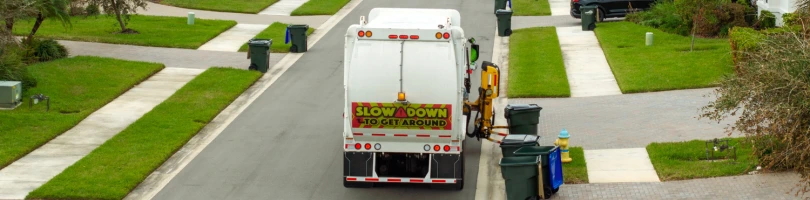
 When a garbage truck operates through a Beaufort County neighborhood, along Boundary Street, or on the residential routes of Lady’s Island and Bluffton, it moves through spaces that people share on foot, on bicycles, and in passenger vehicles, offering almost no protection against a vehicle weighing 25 to 40 tons. Garbage truck accidents are not ordinary crashes. They cause injuries of exceptional severity, involve layers of liability that standard auto accident claims never encounter, and, in many cases, require bringing claims against government entities subject to entirely different legal rules.
Brent Stewart has built more than 30 years of South Carolina Bar practice around fighting for people who were seriously hurt by the negligent acts of others, representing injured individuals and families throughout Beaufort County and across the Lowcountry. When you bring your case to Stewart Law Offices, you receive the direct attention of your attorney from the very first consultation, honest guidance about the value of your claim, and the aggressive advocacy that garbage truck accident cases demand.
Why Garbage Truck Accidents Are Different From Other Large Truck Crashes
Garbage trucks pose a category of crash risk with no real parallel in standard commercial trucking. Waste and recycling collection ranked as the fourth deadliest occupation in the United States in 2023, according to the Bureau of Labor Statistics, with a fatality rate of 41.4 per 100,000 employees. The solid waste collection category recorded 35 fatalities in 2023, up from 31 in 2022. Understanding what makes these vehicles uniquely dangerous allows our attorneys to build comprehensive liability cases that do not overlook factors standard accident investigations often miss.
- Operating environment. Unlike long-haul freight trucks that travel predictable highway routes at consistent speeds, garbage trucks operate in densely populated residential and commercial areas, following tight, unpredictable routes. Every stop in a Beaufort neighborhood, every pull to the curb on a Lady’s Island road, and every reversing maneuver in a commercial parking area near Boundary Street creates a fresh set of hazards for surrounding pedestrians, cyclists, and vehicles.
- Frequency of stops. A garbage collection vehicle may stop 50 to 100 times per route, creating repeated instances in which drivers must judge traffic, signal their intentions, and maneuver in spaces not designed for vehicles of their size. Each stop is an opportunity for a fatigue-driven error, a momentary lapse in attention, or a mechanical failure that can lead to a serious collision.
- Massive blind spots. Garbage trucks have pronounced blind spots to the rear and on both sides. When a driver reverses without adequate observation, a pedestrian, child, cyclist, or smaller vehicle in those blind spots has no advance warning and no way to avoid the impact.
- Early morning operation. Refuse collection typically begins well before sunrise to minimize daytime traffic disruption. Early-morning conditions reduce visibility for both the driver and nearby road users, increasing the likelihood that a developing collision goes unnoticed until it is too late.
- Government vs. private operator liability. Many Beaufort County garbage truck operations are conducted by or under contract with municipal or county government. Whether the truck is operated directly by the City of Beaufort, Beaufort County, or the Town of Bluffton, or by a private contractor under a service agreement with those entities, the liability analysis follows entirely different legal tracks depending on operator status. This is one of the most consequential distinctions in any garbage truck accident case and requires specific legal expertise to navigate.
What Causes Garbage Truck Accidents in Beaufort County
Although garbage trucks move slowly, their operation creates unique risks for both the crew and the public. Frequent causes of garbage truck accidents include
- Drivers backing without a spotter or failing to check blind spots in alleys and driveways
- Sudden stops or pull outs near intersections or from the curb into moving traffic
- Poor visibility in the dark early morning hours when many routes are run
- Distraction from communication devices, route lists, or on board controls
- Overloaded or improperly secured loads that affect braking and maneuverability
- Inadequate maintenance of brakes, hydraulics, tires, or lighting equipment
Data from federal safety agencies show that a large majority of refuse truck related occupational fatalities involve transportation incidents, including workers being struck by their own vehicle or another vehicle and collisions between garbage trucks and other traffic. A garbage truck accident lawyer in Beaufort will review route procedures, training records, and maintenance logs to see whether your crash stemmed from an avoidable safety breakdown rather than just bad luck.
Who Can Be Held Liable for a Garbage Truck Accident in Beaufort
One of the most important jobs for your garbage truck accident lawyer in Beaufort is determining who is legally responsible for your injuries. Potentially liable parties in a Beaufort garbage truck accident case include the following.
- The garbage truck driver bears direct personal liability for any crash caused by their negligence, regardless of their employment status. Fatigue, distraction, inattention, or failure to follow established safe reversing and stopping procedures are each independent grounds for driver liability.
- The private waste management company bears liability through respondeat superior for the negligent acts of its employee drivers. The company also bears independent direct liability for negligent hiring when it failed to adequately screen driver candidates, for inadequate training when its instruction program did not meet required standards, for negligent supervision when it failed to monitor and correct unsafe driving behavior, and for negligent maintenance when it deferred required vehicle upkeep.
- The municipality or county government bears liability when it operates its own sanitation fleet directly or when it retains and supervises a private contractor whose operational practices created the crash. Claims against government entities in South Carolina are governed by the South Carolina Tort Claims Act, with distinct deadlines, notice requirements, and damage caps that require specialized legal handling.
- A vehicle maintenance contractor that performed inadequate service on a garbage truck, allowing brake deficiencies, hydraulic failures, or tire deterioration to go unaddressed, bears independent liability for crashes caused by those deficiencies.
- A vehicle or equipment manufacturer bears product liability when a defective design or manufacturing flaw in the truck itself, its collection equipment, or its safety systems caused or contributed to the crash.
Government Entity Claims and the South Carolina Tort Claims Act
When a Beaufort County garbage truck is operated by or on behalf of a government entity, the normal personal injury rules are partially replaced by the South Carolina Tort Claims Act. This legal framework creates specific procedural requirements that are strictly enforced and carry severe consequences for non-compliance.
Injured individuals must file a verified claim with the responsible government entity within two years of the incident. The government entity then has 180 days to respond. Only after that response period expires or a denial is issued may the injured party file a lawsuit in court.
The South Carolina Tort Claims Act also imposes caps on recoverable damages against government defendants. These caps limit total recovery in ways that do not apply to private-company defendants, making thorough identification of all private parties who may share liability critically important in every case involving a government entity.
Missing the notice filing deadline or the lawsuit filing deadline under the Tort Claims Act permanently bars recovery, regardless of how serious the injuries or how clear the government’s negligence may be. Prompt attorney involvement is essential in every garbage truck case where a government entity may be involved.
Common Injuries Caused by Garbage Truck Accidents
Because garbage trucks are large and heavy, and because many incidents involve pedestrians or workers on foot, injuries can be extremely serious. Victims may suffer:
- Traumatic brain injuries and concussions
- Spinal cord damage and paralysis
- Complex fractures and crush injuries to arms and legs
- Internal injuries and internal bleeding
- Severe lacerations, abrasions, and disfigurement
- Fatal injuries leading to wrongful death claims
A truck accident lawyer in Beaufort will work with medical experts and, where necessary, vocational and life care planners to document the full impact of these injuries on your life or your loved one’s future.
What to Do Immediately After a Garbage Truck Accident in Beaufort
The steps taken in the hours after a garbage truck crash determine both the victim’s medical trajectory and the strength of the resulting legal claim.
- Call 911 immediately and request both law enforcement and emergency medical services. An official police report documents the scene, records witness information, and creates the foundational record for any insurance claim or lawsuit.
- Seek emergency medical evaluation the same day, even if injuries seem minor. Internal injuries, traumatic brain injuries, and spinal damage do not always produce immediate, obvious symptoms.
- Document the scene thoroughly if you are physically able. Photograph the garbage truck, including its license plate, company or municipal markings, damage to all vehicles, road conditions, the surrounding environment, and your own visible injuries.
- Collect the names and contact information of all witnesses before they leave the scene. Independent witness testimony frequently becomes decisive evidence in disputed liability cases.
- Do not provide a recorded statement to any insurance company or government representative before consulting a garbage truck accident lawyer in Beaufort. Statements made in the hours after a crash are frequently used to minimize injury claims or establish comparative fault against victims.
- Preserve all physical evidence, including your clothing, damaged personal property, and any items from the crash scene. Do not allow your vehicle to be repaired until your attorney has documented the damage.
- Contact Stewart Law Offices as promptly as possible so we can send formal evidence preservation demands before dashcam footage, GPS route data, and maintenance records are overwritten or purged.
What Compensation Is Available in a Beaufort Garbage Truck Accident Claim
South Carolina law allows garbage truck accident victims to pursue the full scope of financial and personal losses caused by another party’s negligence.
Economic Damages
These compensate for measurable financial losses and can include:
- Emergency medical care, surgery, hospitalization, and rehabilitation
- Future medical treatment and specialist care
- Prescription medications, assistive devices, and home modifications
- Lost wages during recovery
- Reduced future earning capacity if permanent injuries prevent returning to prior employment levels
Non-Economic Damages
These address the human impact of the injuries and include:
- Physical pain and suffering
- Emotional distress and PTSD
- Loss of enjoyment of life
- Permanent scarring and disfigurement
- Loss of consortium for spouses and family members
Punitive Damages
Punitive damages are available when the responsible party’s conduct was willful, reckless, or wanton. Under South Carolina law, punitive damages are generally capped at three times the compensatory damages or $500,000, whichever is greater, with certain exceptions (such as when the defendant was impaired by alcohol or drugs).
Get Help From a Our Garbage Truck Accident Attorneys in Beaufort, SC
Contact Our Beaufort Garbage Truck Accident Lawyers
A collision with a garbage truck can alter the course of a person’s life in seconds. Medical bills accumulate while recovery remains uncertain, and the legal questions about which entity bears responsibility and which rules govern your claim require immediate expert attention.
Stewart Law Offices serves garbage truck accident victims throughout Beaufort County and the Lowcountry with the personal commitment and experienced advocacy these complex cases require. Call (843) 379-3600 today or contact us online to schedule your free confidential consultation.
FAQs About Beaufort Garbage Truck Accident Claims
Garbage trucks are operated by private waste companies, municipal sanitation departments, and government contractors, each of which is subject to different liability rules under South Carolina law. Claims against government entities are governed by the Tort Claims Act, with different deadlines, notice requirements, and damage caps than claims against private operators. Identifying whether the responsible party is private or governmental and pursuing each through the appropriate legal process simultaneously requires experience that a general personal injury practitioner may not have.
Yes, in many cases. When a municipality or county contracts with a private waste company to provide collection services, and the private company’s driver causes a crash, both the company and potentially the government entity may bear liability depending on the extent to which the government controlled the company’s operations. Our attorneys investigate the contract terms, training requirements, vehicle inspection protocols, and supervision practices imposed by the government entity to determine whether the government’s oversight role creates concurrent liability alongside the private company’s own negligence.
Refuse collection shifts routinely begin before 4 AM and extend well into the morning, producing sustained fatigue that degrades a driver’s reaction time, judgment, and hazard recognition. When a company schedules routes that require these conditions despite knowing they increase crash risk, the schedule itself is evidence of negligent operational decision-making. Our attorneys document fatigue through driver dispatch records showing shift start times and route durations, GPS data showing the time elapsed between the route start and the crash, and expert testimony from occupational health professionals who can quantify the cognitive impairment caused by the driver’s working conditions at the time of impact.
When government entity liability caps under the Tort Claims Act limit recovery from the municipality or county, our attorneys focus simultaneously on all private parties that share liability for the crash. If the garbage truck was operated by a private contractor under a government service agreement, the contractor’s own insurance and assets are not subject to the government’s Tort Claims Act caps, providing a separate and potentially larger source of compensation. Parts manufacturers, maintenance contractors, and other private defendants are also evaluated independently. Maximizing total recovery across all liable parties, both governmental and private, is the approach that protects families from gaps that government caps would otherwise create.