
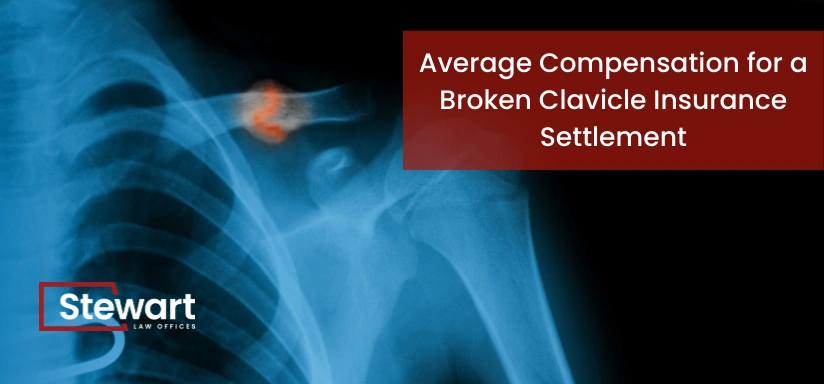
A broken clavicle, or collarbone fracture, is one of the most common injuries after a car accident, motorcycle crash, or serious fall. Yet when it comes to settlements, no two cases are ever identical. Insurance companies often value these claims based on medical bills, treatment type, and long-term effects, but the real story is much deeper.
Understanding how compensation is calculated and what factors influence the outcome can make a significant difference in what you ultimately recover.
Understanding Broken Clavicle Injuries
The clavicle connects the shoulder blade to the breastbone and plays a key role in arm and shoulder movement. When it breaks, it can cause immediate pain, swelling, bruising, and difficulty lifting the arm.
There are three main types of clavicle fractures:
- Midshaft fractures, which occur in the middle portion of the bone (the most common).
- Distal fractures, which happen closer to the shoulder.
- Medial fractures, which occur near the breastbone.
Treatment varies based on severity. While minor fractures may heal with a sling and rest, more serious breaks can require surgical fixation with plates, pins, or screws, followed by physical therapy. Recovery may take 8–12 weeks or longer, and some victims experience lasting stiffness, weakness, or chronic pain.
Factors That Affect Broken Clavicle Settlement Amounts
No two settlements are identical because every injury and case is unique. Still, insurers and attorneys consider several consistent factors when determining the value of a broken clavicle claim:
- Severity of the Fracture: Simple fractures may heal fully, while displaced or compound fractures often require surgery and longer recovery times.
- Medical Costs: Bills for X-rays, surgery, therapy, and follow-up care significantly influence settlement amounts.
- Lost Wages and Loss of Earning Capacity: Time away from work, or permanent limitations that reduce future earning potential, both increase claim value.
- Pain and Suffering: Physical pain, emotional distress, and disruption to your daily life play a large role in non-economic damages.
- Degree of Fault: Under South Carolina’s comparative negligence rule, your compensation can be reduced by your percentage of fault in the accident.
- Insurance Policy Limits: The at-fault driver’s insurance coverage may cap the total available payout.
A thorough claim evaluation considers both economic (financial) and non-economic (personal) damages to calculate fair compensation.
How Insurance Companies Handle Broken Clavicle Claims
Insurers may use internal valuation tools (e.g., Colossus) to estimate claim value, but such formulas often underestimate pain and long-term effects. Adjusters may:
- Downplay ongoing pain or loss of function.
- Dispute the necessity of surgery.
- Offer early low settlements before full recovery.
Do not settle before reaching Maximum Medical Improvement (MMI) when your doctor confirms further treatment will not significantly improve your condition.
Legal Representation and Why It Matters
Hiring a personal injury lawyer can significantly impact the outcome of your claim. Attorneys understand the nuances of insurance negotiations, can gather strong medical evidence, and ensure your damages are accurately valued.
A lawyer will also:
- Communicate with insurance adjusters on your behalf.
- Calculate your full damages, including future losses.
- Handle settlement negotiations or represent you in court if necessary.
Studies consistently show that accident victims represented by attorneys recover significantly higher settlements than those who negotiate on their own.
Average Compensation for Broken Clavicle Settlements in South Carolina
South Carolina law does not establish fixed averages or statutory caps for broken clavicle settlements in personal injury cases. Compensation is determined case-by-case based on economic damages (medical bills, lost wages, future care) and non-economic damages (pain and suffering), with no limit on either under state law.
While no official SC data provides exact averages, general settlement ranges include:
- Non-surgical fractures (treated with sling and rest): $10,000 – $50,000.
- Surgical or complicated fractures (requiring surgery, therapy, or long-term work impact): $50,000 – $150,000 or more.
Each case is unique. The final amount depends on medical evidence, insurance policy limits, local jury trends, and modified comparative fault. Your recovery is reduced by your percentage of fault and barred if you are more than 50% at fault.
Get Help from an Experienced South Carolina Personal Injury Lawyer
A broken clavicle can disrupt your work, your routine, and your peace of mind. If you were injured due to someone else’s negligence, you don’t have to face the insurance company alone.
An experienced South Carolina personal injury attorney can help you understand your options, value your claim accurately, and fight for the compensation you deserve. Contact Stewart Law Offices today for a free consultation, and let our team help you get back on the road to recovery.
Frequently Asked Questions
How long does it take to settle a broken clavicle claim?
Cases may resolve within 3–8 months, but complex or high-value claims may take longer.
Can I claim pain and suffering for a broken clavicle?
Yes. Pain and suffering, emotional distress, and reduced quality of life are key non-economic damages.
What if I was partially at fault?
Under South Carolina’s comparative negligence rule, you can still recover damages if you are 50% or less at fault, but your award is reduced by your percentage of fault.